10 Tips for Designing Eco-Friendly Packaging

Emma Davis
Sustainability Director at Ember Packaging
Why Sustainable Packaging Matters
As consumers become more environmentally conscious, businesses are under increasing pressure to adopt sustainable practices. Packaging plays a crucial role in this shift.
1. Choose Recyclable Materials
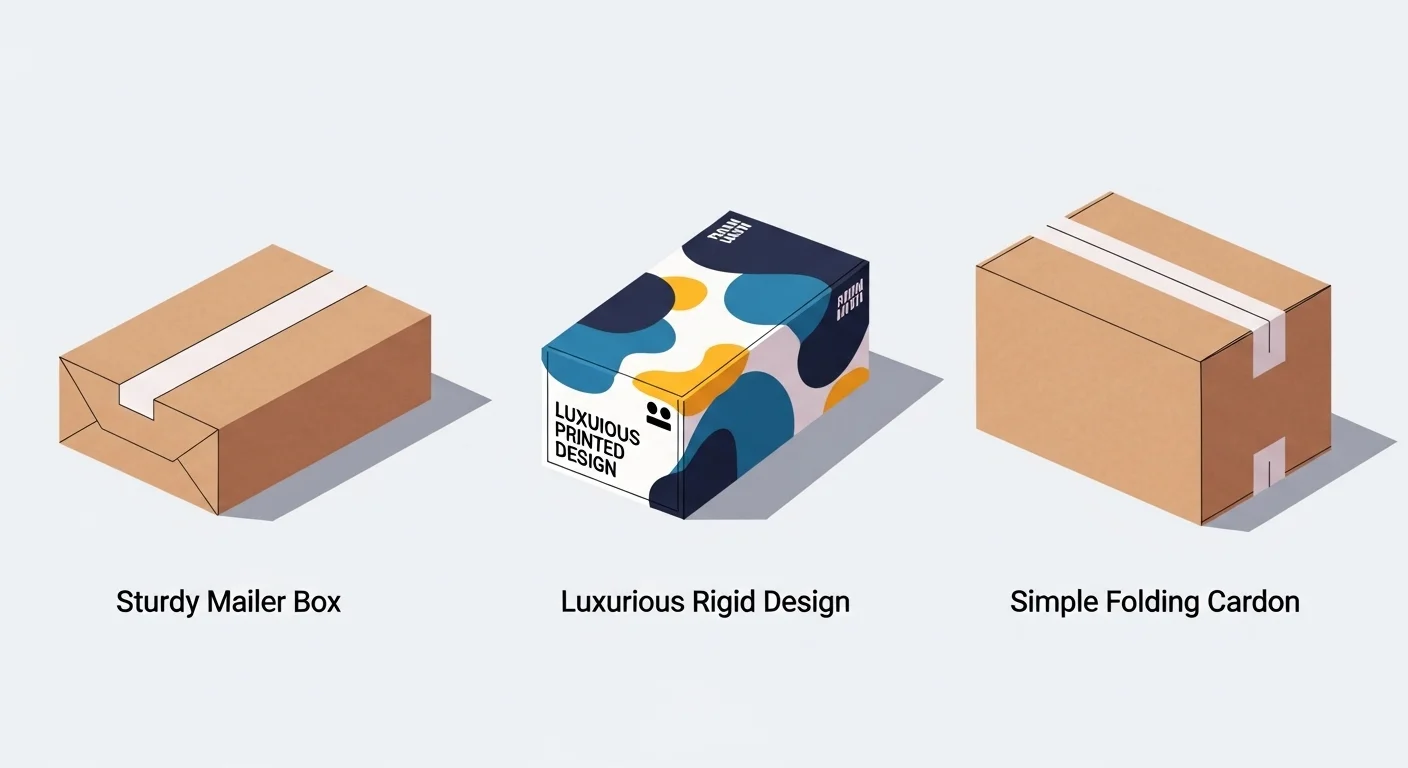
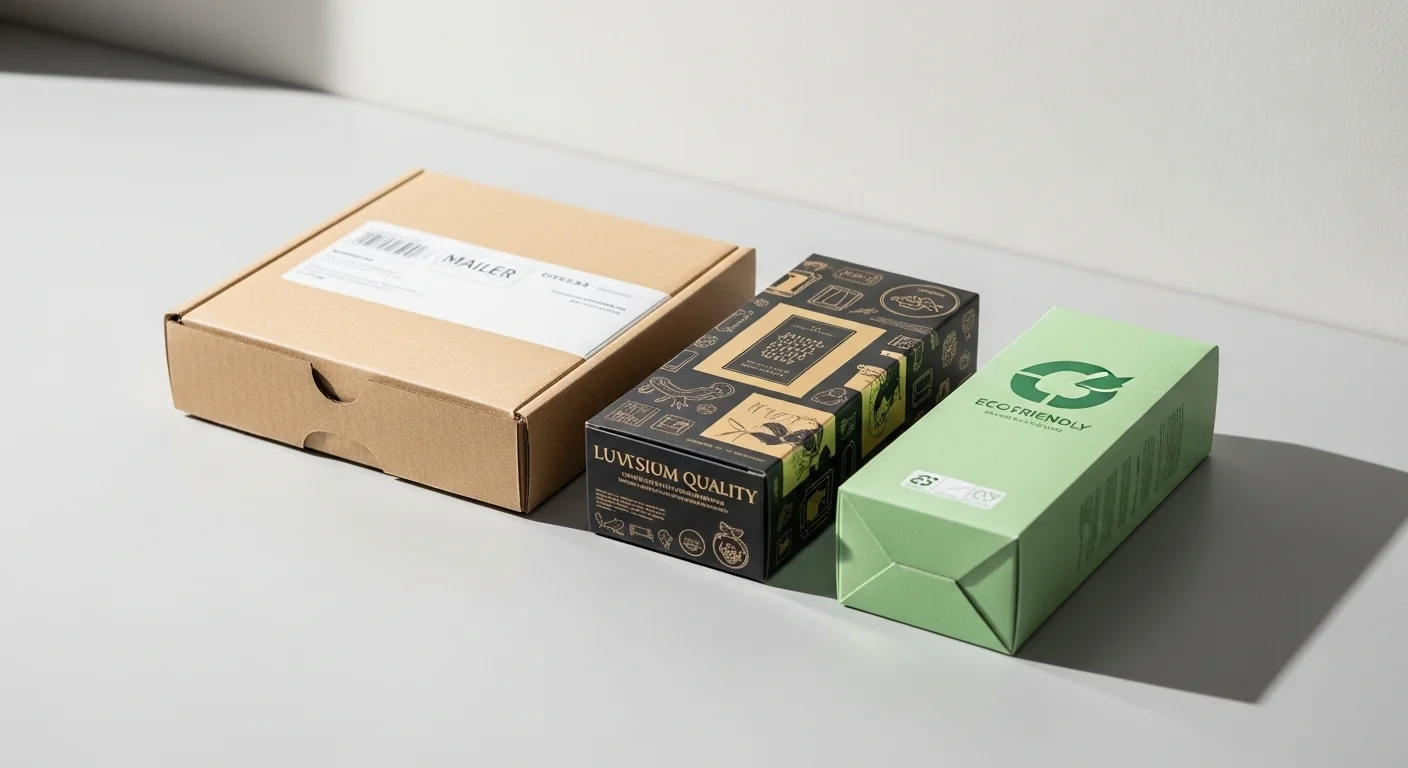
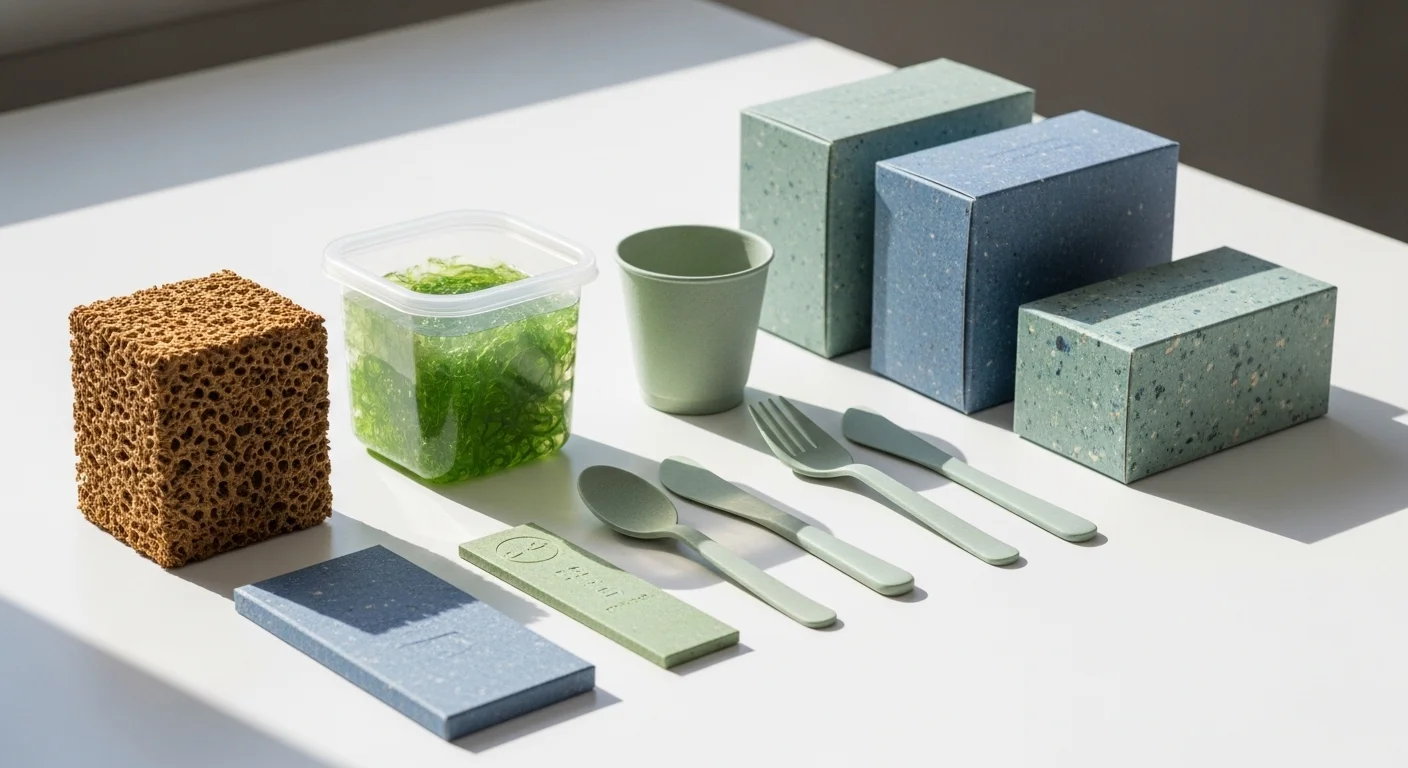
Opt for materials like corrugated cardboard, kraft paper, or biodegradable plastics. These materials can be easily recycled and reduce environmental impact.
2. Minimize Waste with Right-Sizing
Design your packaging to be as efficient as possible. Oversized boxes waste materials and increase shipping costs.
3. Use Soy-Based Inks
Traditional petroleum-based inks contain harmful chemicals. Soy-based inks are renewable and produce vibrant colors.
4. Consider Reusable Designs
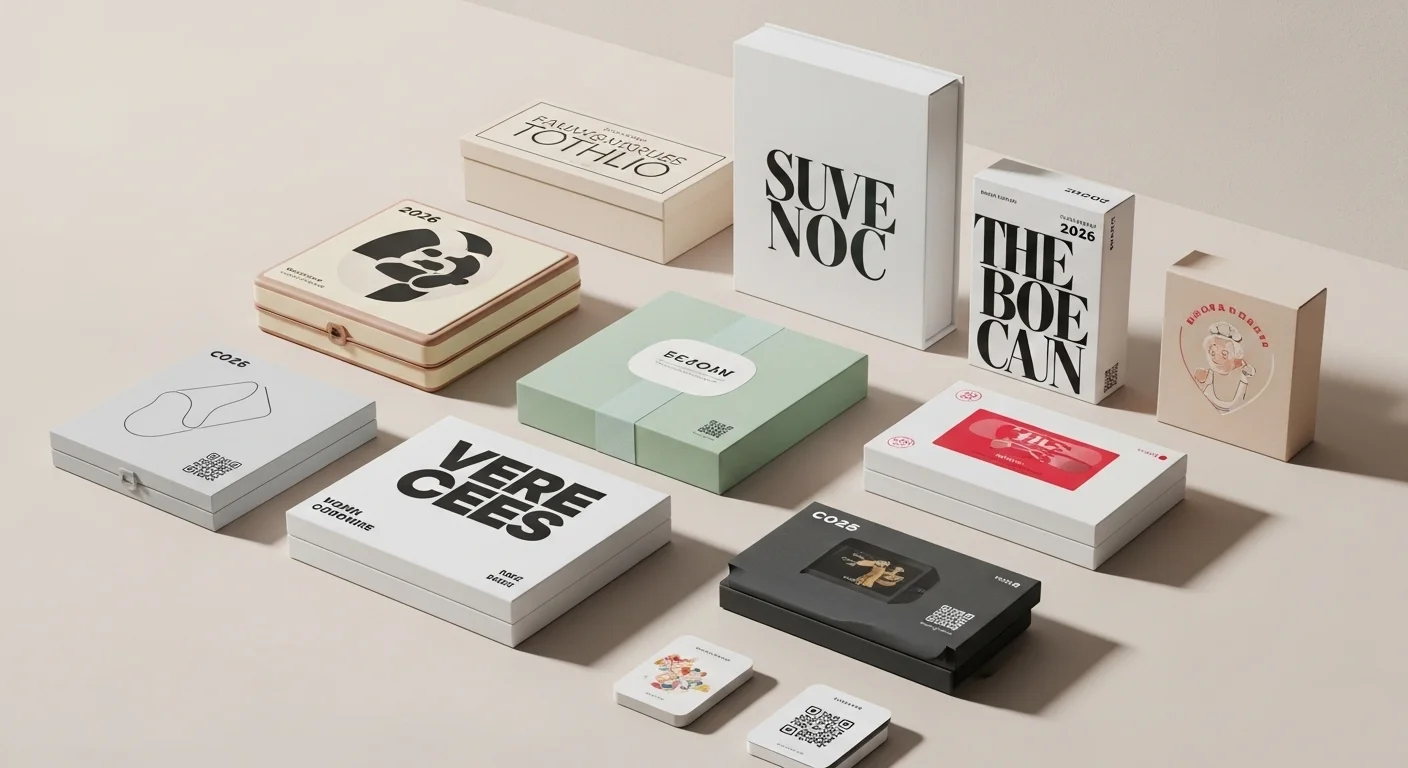
Create packaging that customers want to keep and reuse. This extends the life of your packaging and reinforces brand loyalty.
5. Eliminate Plastic Windows
If your product needs to be visible, consider using recyclable alternatives or simply great product photography.
Conclusion
Designing eco-friendly packaging doesn’t mean sacrificing quality or aesthetics. With thoughtful choices, you can create packaging that protects your product, delights your customers, and protects the planet.
Emma Davis
Sustainability Director at Ember Packaging
Passionate about sustainable packaging and helping brands create memorable unboxing experiences while protecting our planet.