The Psychology of Color in Packaging

Jessica Williams
Color Theory Expert at Ember Packaging
Introduction
Color is one of the most powerful tools in a designer’s arsenal. It can evoke emotions, communicate values, and influence purchasing decisions.
Understanding Color Associations
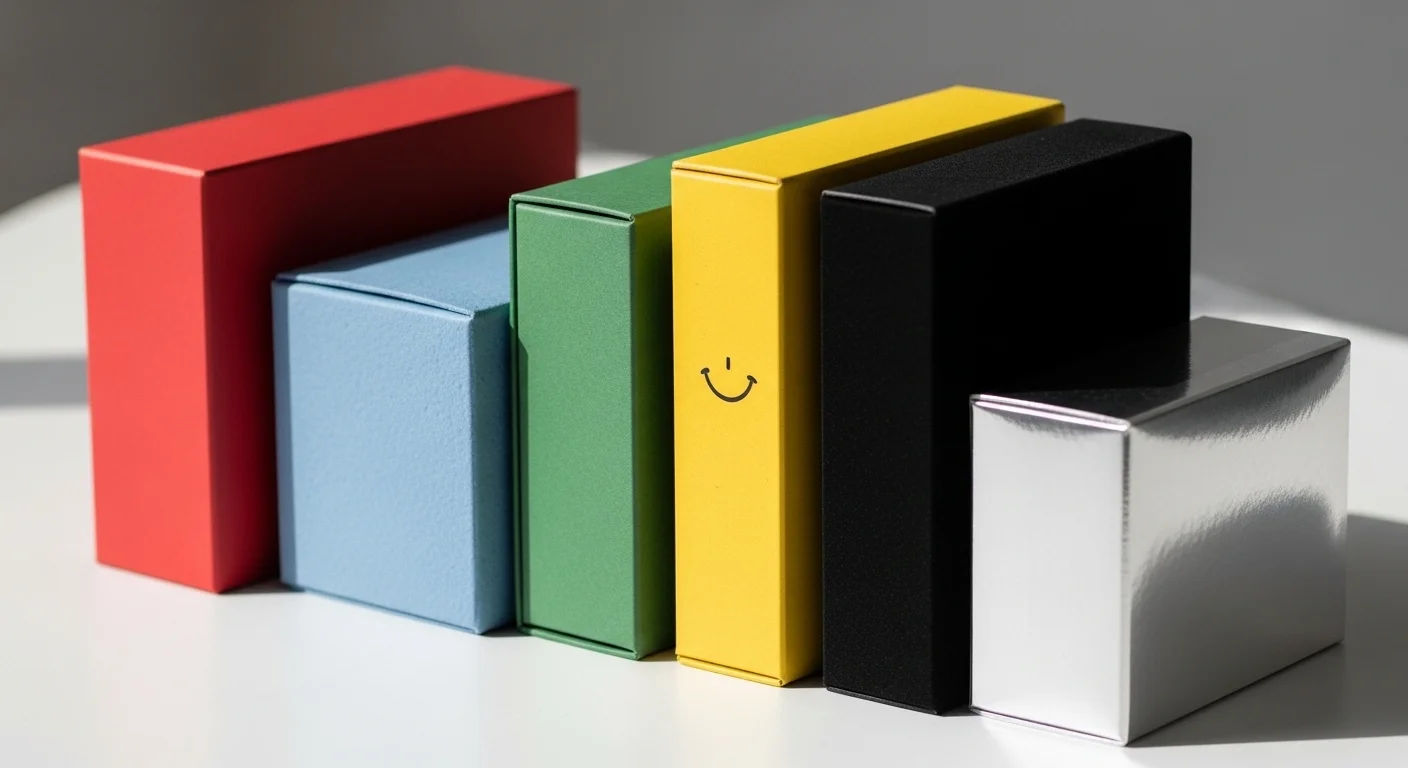
Different colors trigger different psychological responses. Red creates urgency and excitement, blue builds trust and reliability, green signals health and sustainability, and yellow conveys optimism and energy.
Cultural Considerations
Color meanings vary across cultures. What works in one market might not resonate in another. Always research your target audience.
Color and Product Categories
Certain colors are associated with specific product types. Food packaging often uses warm colors to stimulate appetite, while tech products favor sleek blacks and silvers.
Creating Color Harmony
Use color theory principles like complementary, analogous, or triadic color schemes to create visually appealing packaging.
Conclusion
Your color palette is one of the most important decisions in packaging design. Choose wisely to create the right emotional connection with your customers.
Jessica Williams
Color Theory Expert at Ember Packaging
Specializing in color psychology and helping brands choose palettes that resonate with their target audience.